
Imagine a bustling café where customers linger over their third latte, a co-working space where freelancers camp out for hours, or a restaurant where diners happily order dessert after a two-hour meal. What do these scenarios have in common? They’re all fueled by an often-overlooked secret weapon: ergonomic seating. In today’s competitive market, businesses aren’t just selling products or services—they’re selling experiences. And comfort? It’s the silent salesperson you didn’t know you needed.
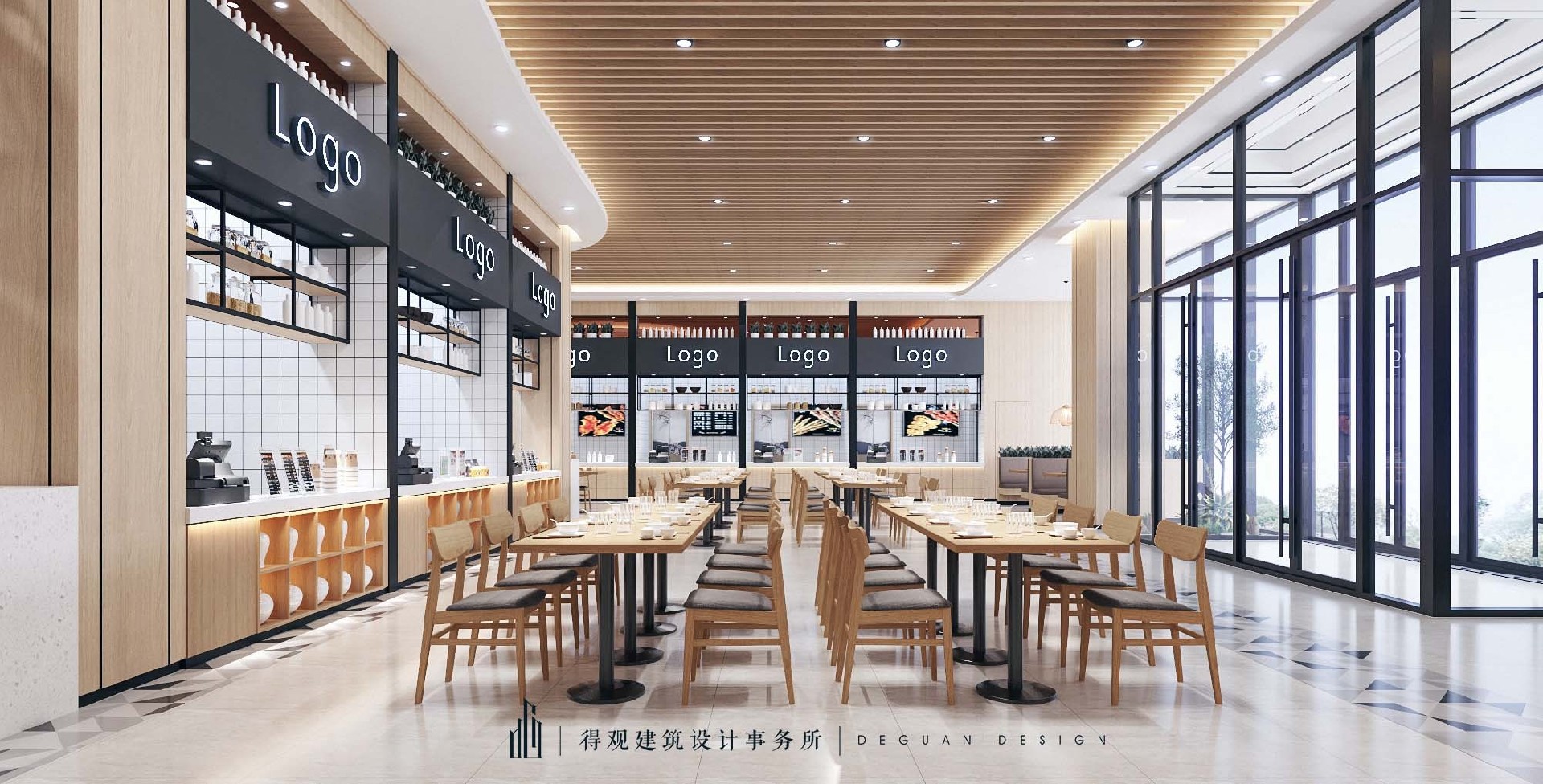
The Science of Sitting: Why Ergonomics Isn’t Just for Offices
Ergonomic design isn’t about turning your space into a sterile corporate office. It’s about creating environments where people want to stay. Studies show that comfortable seating increases dwell time by up to 40% in retail and hospitality settings. When patrons aren’t shifting in their seats or nursing sore backs, they’re more likely to order another round, browse additional products, or recommend your business to friends.
Take the case of The Grind Hub, a mid-sized coffee shop in Austin. After swapping out their rigid wooden chairs for plush, lumbar-support barstools, their average customer stay increased from 25 to 55 minutes. The result? A 22% rise in afternoon snack sales and a 15% boost in five-star online reviews mentioning “great ambiance.”
Designing for Diversity: One Chair Doesn’t Fit All
The magic of ergonomics lies in adaptability. A mix of seating options—booths with high backs for privacy, adjustable-height stools for laptop users, and cushioned benches for families—caters to diverse needs. For instance, fast-casual restaurants like UrbanBowl use modular banquettes that can be rearranged for solo diners or large groups, ensuring every customer feels the space was “made for them.”
But comfort isn’t just physical. Aesthetic appeal plays a role too. Sleek, modern designs with pops of color can make seating Instagram-worthy, turning customers into free marketers.
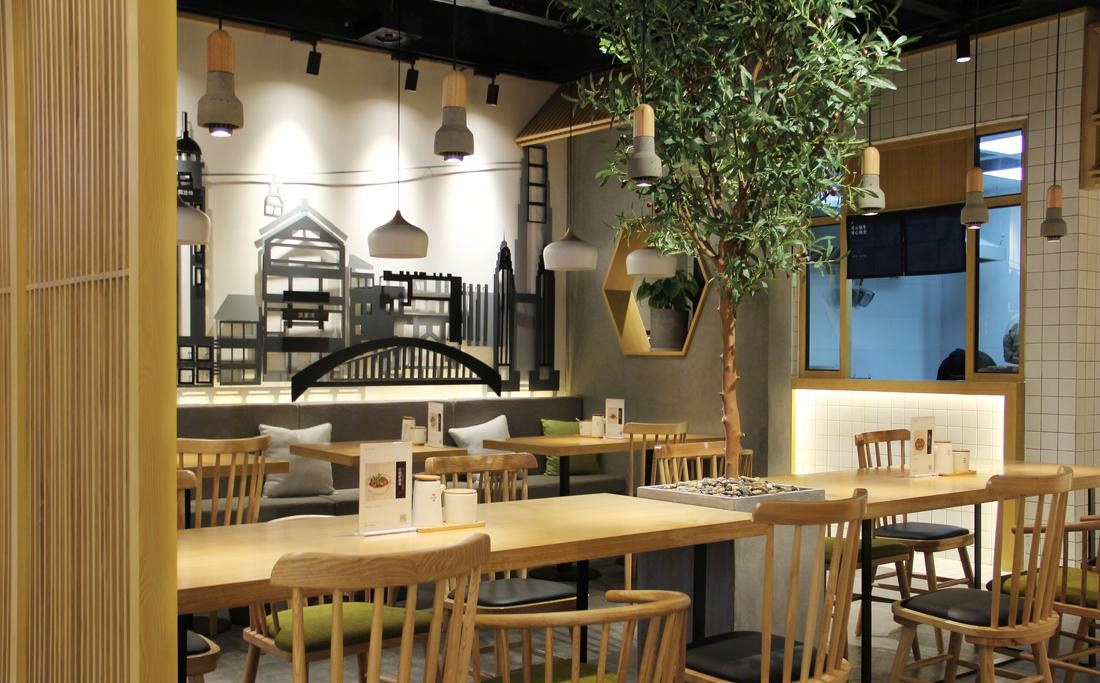
Critics might argue that ergonomic furniture is a splurge. Let’s break that myth:
Durability: High-quality ergonomic pieces often outlast cheaper alternatives, reducing replacement costs. Loyalty: Comfortable customers return 68% more frequently than those who had a “meh” experience. Employee Impact: Staff working in ergonomic environments report 30% fewer sick days and higher job satisfaction.
In short, ergonomic seating isn’t an expense—it’s an investment that pays dividends in turnover, reputation, and operational smoothness.
Now, let’s talk about the elephant in the room: mess. A spilled latte, a toddler’s ice cream disaster, or a hurriedly wiped table can make even the comfiest seat feel uninviting. Enter easy-clean surfaces—the unsung hero of high-traffic businesses.
Cleanliness as a Competitive Edge
A 2023 survey by Hospitality Trends Magazine found that 73% of diners avoid restaurants with visibly stained tables or sticky counters. Meanwhile, retail stores with dusty shelves or smudged display cases see a 19% drop in impulse purchases. The lesson? Cleanliness isn’t just about hygiene—it’s a trust signal.
Easy-clean materials like antimicrobial laminates, hydrophobic fabrics, and seamless epoxy resin countertops let staff wipe away messes in seconds. For example, BurgerBunker, a fast-food chain in Portland, switched to stain-resistant tabletops with hidden seams. Their table turnover rate improved by 18% during peak hours because servers no longer scrubbed crevices for crumbs.
Materials That Work Harder (So You Don’t Have To)
The latest innovations marry aesthetics with practicality:
Nano-coated fabrics: Repel liquids while mimicking velvet or linen textures. Solid-surface countertops: Mimic marble or wood but resist scratches and heat. Modular flooring: Waterproof tiles that snap together for easy replacement if damaged.
These materials aren’t just for restaurants. Co-working spaces use wipeable whiteboard tables for brainstorming sessions, while boutiques opt for smudge-proof glass display cases.
The Dynamic Duo: Comfort + Cleanability
When ergonomic seating meets easy-clean surfaces, magic happens. Picture a gastro-pub where patrons sink into leather-clad booths but don’t panic over a dropped nacho platter. Or a clinic waiting room where patients relax in supportive chairs while nurses swiftly sanitize armrests between appointments.
This combo also future-proofs your business. With rising consumer expectations for both comfort and safety post-pandemic, spaces that nail both will stand out.
Putting It All Together: Actionable Steps
Audit Your Space: Identify high-traffic zones where comfort or cleanliness drags down efficiency. Prioritize Versatility: Choose furniture that’s easy to reconfigure and clean. Train Staff: Teach teams to spot wear-and-tear early and maintain surfaces without harsh chemicals. Market Your Upgrades: Use signage or social media to highlight your “customer-first” design.
The bottom line? In a world where consumers have endless options, the businesses that make people feel good—physically and psychologically—will win their wallets. Ergonomic seating and easy-clean surfaces aren’t just trends; they’re the new baseline for savvy entrepreneurs ready to boost turnover, one comfortable (and spotless) interaction at a time.
 皖公网安备34118102000935号 苏公网安备32011602010632号 苏ICP备16012911号 皖ICP备2021001053号 All Rights Rerseved

400-888-5670
