
The restaurant industry has always thrived on ambiance, service, and flavor. But in an era where convenience and personalization reign supreme, a new player is stealing the spotlight: smart furniture. Gone are the days when tables and chairs were mere functional props. Today, they’re dynamic tools reshaping how guests interact with spaces, menus, and even each other.
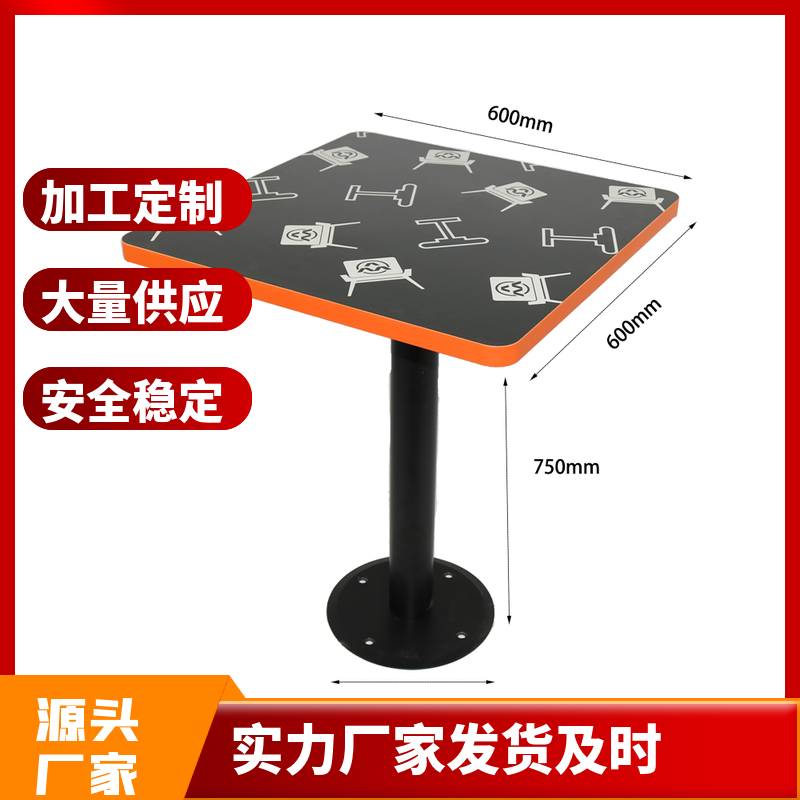
The Evolution of Comfort: From Static to Smart
For decades, restaurant seating prioritized durability over adaptability. Wooden booths, metal chairs, and laminate tables dominated interiors—practical, but impersonal. The rise of casual dining in the 2000s introduced plush cushions and mood lighting, hinting at comfort as a differentiator. But the real game-changer arrived with IoT (Internet of Things) technology. Imagine chairs that adjust lumbar support based on posture sensors, or tables that regulate surface temperature to keep drinks chilled or meals warm. These innovations aren’t sci-fi; they’re already enhancing high-end eateries and fast-casual chains alike.
Take HeatFlex Tables, for instance. Embedded with micro-heating panels, these surfaces allow diners to control the warmth of their plates via a discreet touchpad. No more lukewarm risotto or cold coffee. Similarly, PostureSync Chairs use real-time pressure mapping to subtly shift cushioning, reducing fatigue during long meals. Such features aren’t just gimmicks—they address universal pain points in dining experiences.
The Science of Ergonomic Design
Comfort isn’t just about softness; it’s about biomechanics. Smart furniture leverages ergonomic research to reduce physical strain. Chairs with adjustable armrests, seat depth, and tilt angles cater to diverse body types, while tables with height-adjustable mechanisms accommodate wheelchairs or high chairs seamlessly. For restaurants, this inclusivity isn’t just ethical—it’s profitable. A study by the Cornell University School of Hotel Administration found that ergonomic seating can increase average dining time by 18%, directly boosting per-table revenue.
But the benefits go deeper. Consider the role of materials. Memory foam, once reserved for luxury mattresses, now lines chairs in upscale bistros. Breathable, antimicrobial fabrics combat discomfort from heat or humidity, ideal for outdoor patios. Even table edges are getting smarter: rounded, sensor-lined borders alert staff if a guest accidentally knocks over a glass, preventing spills before they happen.
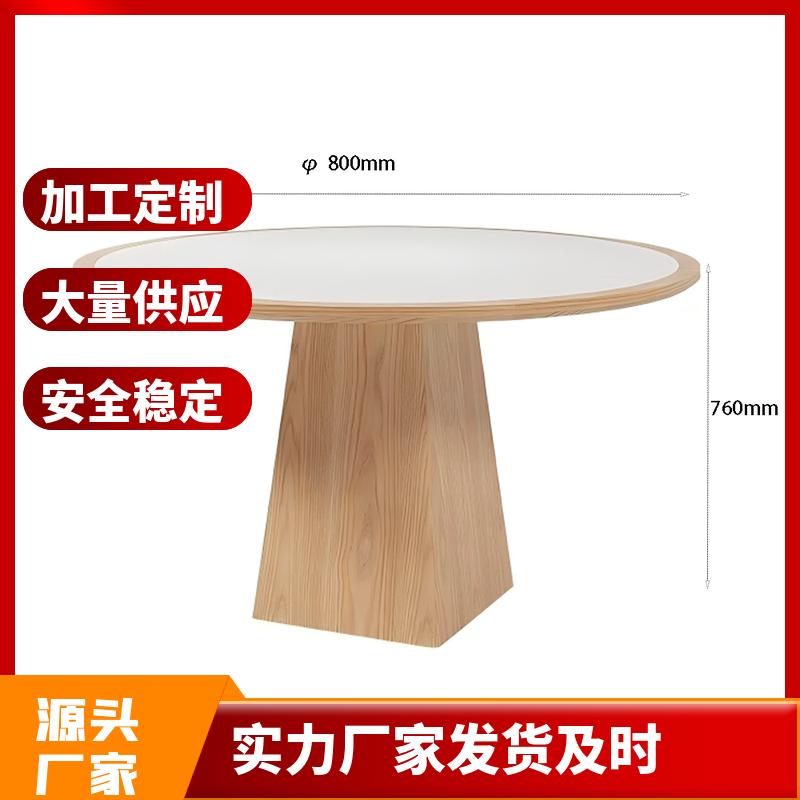
Connectivity Meets Culinary Craft
Smart furniture isn’t just reactive—it’s interactive. Tables with built-in charging pads and Bluetooth connectivity let guests control ambient lighting or playlist volume from their phones. In Tokyo’s TechBistro, diners use QR codes on tabletops to summon holographic menu descriptions, reducing reliance on harried waitstaff. For chefs, IoT-enabled surfaces provide real-time feedback: sensors track which dishes guests linger over, informing menu tweaks.
This connectivity also streamlines operations. Imagine a table that signals the kitchen when a party’s final course is served, ensuring desserts arrive precisely as espresso cups are emptied. Or chairs that notify hosts when vacated, optimizing table turnover. The result? A seamless fusion of comfort and efficiency that keeps guests relaxed and restaurants profitable.
Personalization: The Heart of Modern Hospitality
Today’s diners don’t just want a meal—they crave an experience tailored to their preferences. Smart furniture delivers this through hyper-personalization. At Casa Futura in Barcelona, regulars are greeted by chairs that “remember” their preferred seat height and lower back support. Tables display personalized welcome messages and suggest wine pairings based on past orders. This isn’t loyalty programming; it’s intimacy at scale.
Even casual spots are jumping in. A burger joint in Austin uses weight-sensitive benches to adjust lighting: brighter for families with kids, softer for date nights. The tech is subtle, but the impact is profound. As one Yelp reviewer noted, “It felt like the room knew what we needed before we did.”
Sustainability: Comfort Without Compromise
Critics argue that smart furniture’s energy demands clash with eco-conscious trends. Innovators are proving otherwise. Solar-powered tables with energy-storing surfaces are lighting up outdoor venues in California. In Stockholm, GreenTable uses kinetic energy from diners’ movements to power LED ambiance lights. Recycled materials dominate production, with companies like EcoSeat crafting chairs from upcycled ocean plastics.
The longevity of smart furniture also reduces waste. Modular designs allow components like sensors or cushions to be replaced individually, avoiding full-unit disposal. For farm-to-table restaurants, this aligns with their ethos of sustainability—elevating comfort without ecological guilt.
The Future: Where Are We Headed?
The next frontier lies in AI integration. Prototype tables in Silicon Valley labs analyze speech patterns to gauge group dynamics, suggesting shared appetizers for lively tables or quiet corners for introverted duos. Augmented reality (AR) tabletops could soon project virtual scenery—think dining under the Northern Lights or beside a Parisian canal—all while adjusting chair firmness to match the “environment.”
Health-focused innovations are also emerging. Post-meal, a table might display calorie intake and suggest a post-dinner stroll route. Chairs could monitor posture and recommend stretches via linked apps. For an aging population, such features transform dining into a wellness ritual.
Conclusion: A Seat at the Table of the Future
Smart restaurant furniture isn’t about replacing human touch—it’s about enhancing it. By addressing comfort, personalization, and sustainability, these innovations let guests focus on what matters: connection, flavor, and memory-making. As one chef mused, “The best meals aren’t just tasted; they’re felt.” With every sensor-adjusted seat and climate-controlled surface, the industry moves closer to that ideal.
The question isn’t whether your favorite spot will adopt this tech, but when. And when it does, you might just find yourself lingering longer, smiling wider, and savoring not just the food, but the very seat you’re in.
 皖公网安备34118102000935号 苏公网安备32011602010632号 苏ICP备16012911号 皖ICP备2021001053号 All Rights Rerseved

400-888-5670
