
The school canteen table is where algebra equations are scribbled on napkins, secrets are traded for potato chips, and friendships are sealed with shared juice boxes. It’s a silent witness to the messy, magical theater of adolescence—a place where hierarchies dissolve, alliances form, and the unspoken rules of growing up play out daily.
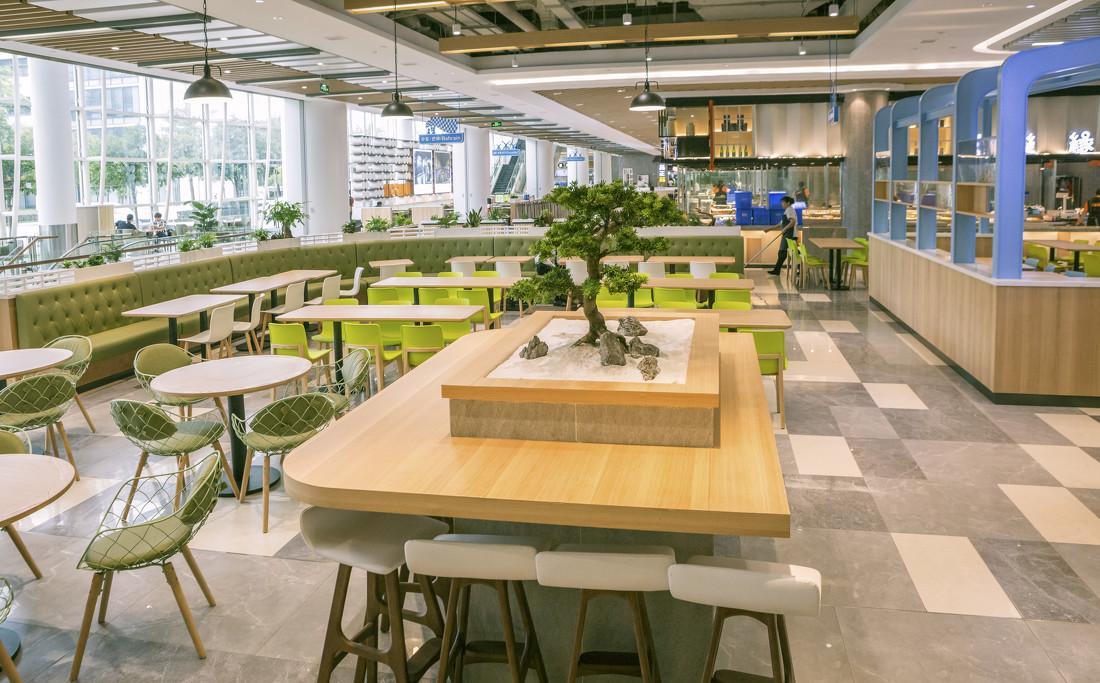
Picture the lunch bell ringing. Backpacks slam against chairs, sneakers squeak across linoleum, and a kaleidoscope of Tupperware containers clatter onto tabletops. The canteen table isn’t just furniture; it’s a social ecosystem. The “cool kids” colonize the center tables, their laughter loud enough to mask insecurities. The quiet ones hover at the edges, clutching lunch trays like shields. Yet, by sophomore year, even the most rigid cliques begin to blur. A soccer star borrows a pencil from the chess club president. The art kid shares fries with the debate team nerd. The table, sticky with spilled soda and etched with initials, becomes neutral ground.
This is where teenagers learn to negotiate belonging. Take 14-year-old Mia, who spent her first month of high school eating alone in a bathroom stall. One rainy Tuesday, a group of drama students waved her over. Their table was a riot of inside jokes and half-finished scripts. By dessert, Mia was cast as an understudy in their lunchtime improv games. The table didn’t care that she’d never acted—it only asked that she pass the ketchup.
Canteen tables also serve as impromptu classrooms. Mr. Thompson’s history lectures might fade, but no one forgets the day Alex diagrammed the Cold War using salt shakers and a crumpled burger wrapper. Or when the robotics team debugged their rover’s code between bites of tater tots. These tables host debates fiercer than any seminar: Is a hot dog a sandwich? Does pineapple belong on pizza? (Spoiler: The answer is always yes, if you’re brave enough.)
Then there’s the food itself—mystery meat Mondays, soggy pizza Fridays, the illicit thrill of smuggled candy. A peanut butter sandwich becomes currency: trade the crusts for answers to math homework, the last Oreo for a spot in the kickball lineup. Allergies turn negotiators into diplomats (“I’ll swap my trail mix for your pretzels”). And let’s not forget the universal trauma of spilling chocolate milk on your crush’s science project.
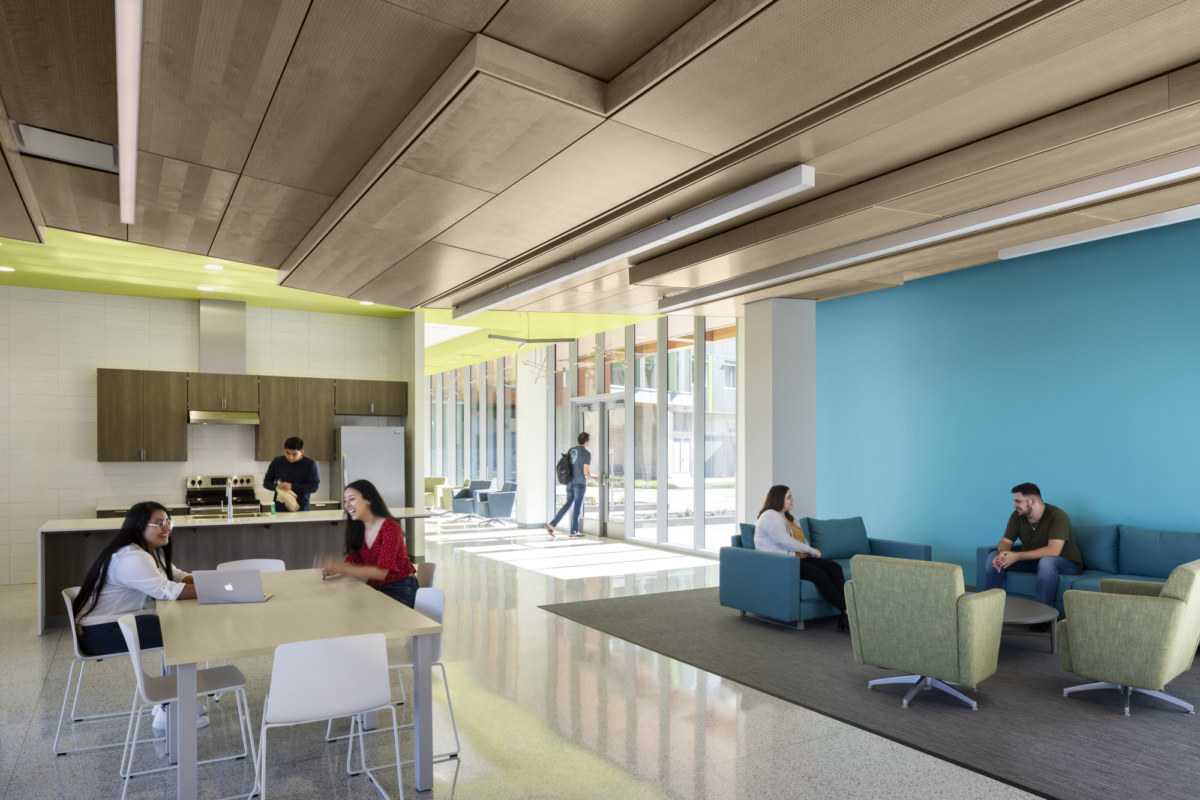
But the real magic happens in the cracks between bites. It’s where Sarah finally told her friends about her parents’ divorce, tears dripping into her applesauce. Where the basketball team huddled after their championship loss, finding solace in shared mozzarella sticks. Where Miguel, the exchange student from Madrid, taught everyone to say “pass the salt” in Spanish—and accidentally started a trend of shouting “¡Dame los nachos!” during study hall.
By the time the bell rings, the table is littered with evidence of life being lived: crumpled notes, half-erased doodles, a single red sneaker forgotten under the bench. The janitor wipes it clean, but the ghosts of a thousand conversations linger in the grain of the wood.
If school canteen tables could talk, they’d spin tales of first crushes and food fights, of whispered confessions drowned by the roar of the slushie machine. But their greatest lessons aren’t in the drama—they’re in the quiet moments that shape who we become.
Consider the unspoken etiquette of these tables. There’s the “no judging” rule for lunchbox contents (though tuna fish will always turn heads). The sacredness of saving seats, even if it means awkwardly hovering for 10 minutes. The delicate art of pretending not to hear the couple breaking up two seats down. These micro-traditions teach empathy, discretion, and how to navigate social minefields—skills no textbook covers.
The table is also where resourcefulness thrives. Forgotten lunch money? Enter the Great Chip Barter of 2019, when a bag of Doritos bought a week’s worth of carrot sticks and pudding cups. Power outages turn tables into candlelit feasts (flashlights propped in milk cartons). Snow days see cliques merging over smuggled thermoses of hot chocolate. Adversity, it turns out, makes everyone equal—and very willing to share fries.
Then there’s the evolution of roles. The quiet kid who starts a lunchtime origami club. The class clown revealed as a secret cupcake decorator. The table doesn’t care about your Instagram followers or GPA; it rewards the girl who always has extra napkins, the boy who remembers how you take your coffee. Here, popularity is measured in shared gummy bears and the courage to say, “Scoot over—I saved you a seat.”
As graduation looms, these tables become time capsules. Seniors trace the carvings: “J + M 4eva,” “Class of ‘23 rules!” (scratched out and replaced with “‘24”). There’s the stain from when someone tried to microwave a juice box (RIP, Brian’s eyebrows). The corner where the chess club staged their infamous “checkmate protest” against shorter lunch periods. Alumni return years later, fingers brushing the familiar grooves, flooded with memories sharper than any yearbook photo.
But the canteen table’s legacy isn’t nostalgia—it’s blueprint. The way we learned to share space (and the last cookie) echoes in office break rooms and family dinners. Those lunchtime negotiations—when to speak up, when to listen, how to make room for one more—become the foundation of adult relationships. The table taught us that community isn’t built in grand gestures, but in the daily act of breaking bread together.
So here’s to the scratched, wobbly, gum-stuck heart of every school. May we never forget the tables that held our laughter, our secrets, and the occasional science experiment gone wrong. After all, life’s most important lessons often come with a side of tater tots.
 皖公网安备34118102000935号 苏公网安备32011602010632号 苏ICP备16012911号 皖ICP备2021001053号 All Rights Rerseved

400-888-5670
