
The hum of a coffee grinder, the clink of cutlery, the murmur of conversation—these are the sounds that define the soul of a café or restaurant. But beneath the surface of every memorable dining experience lies an unsung hero: furniture. Not just any furniture, but designs that adapt, transform, and evolve with the needs of the space. Enter modular tables and stackable chairs—the quiet revolutionaries reshaping how we dine, work, and connect.
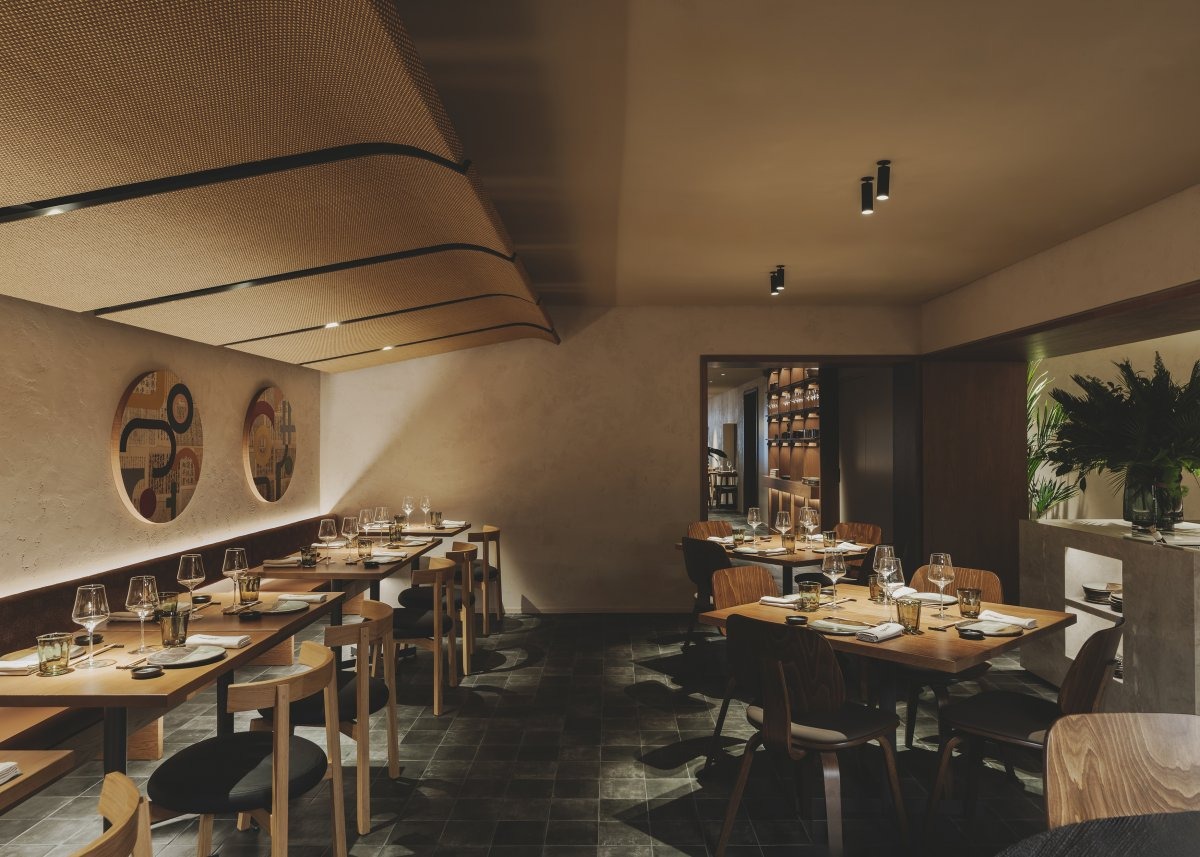
In an era where urban real estate is at a premium and consumer expectations are higher than ever, restaurateurs and café owners face a double-edged challenge: creating inviting, Instagram-worthy spaces while maximizing efficiency. Modular furniture answers this call with a shrug and a smile. Imagine a cozy corner café that morphs into a communal workspace by midday, then transitions into an intimate wine bar by night—all thanks to tables that expand, contract, or rearrange with minimal effort. Stackable chairs, lightweight yet sturdy, tuck away neatly or form impromptu seating clusters for pop-up events. This isn’t just furniture; it’s a chameleon in disguise.
The appeal isn’t purely practical. Aesthetic versatility is where these designs shine. Forget the clunky, utilitarian look of old-school stackable chairs. Today’s iterations blend sleek metals with warm woods, bold colors with minimalist frames. Modular tables come in geometric shapes that lock together like puzzle pieces, creating dynamic layouts that encourage interaction. For a generation raised on customization—think Spotify playlists and TikTok feeds—the ability to curate their environment down to the table arrangement feels instinctive.
But let’s talk numbers. A café owner in Lisbon cut seating setup time by 40% after switching to modular systems, while a Brooklyn bistro reported a 25% increase in weekend capacity by reconfiguring tables for brunch crowds. The math is hard to ignore. In cities where every square foot costs a small fortune, furniture that multitasks isn’t a luxury—it’s survival.
Yet the real magic lies in how these designs influence human behavior. A study by Cornell University’s Hospitality School found that flexible seating arrangements can boost customer dwell time by up to 18%. When people feel they have control over their space—pushing two tables together for a group or isolating a solo workstation—they stay longer, order more, and leave happier. It’s psychology disguised as interior design.
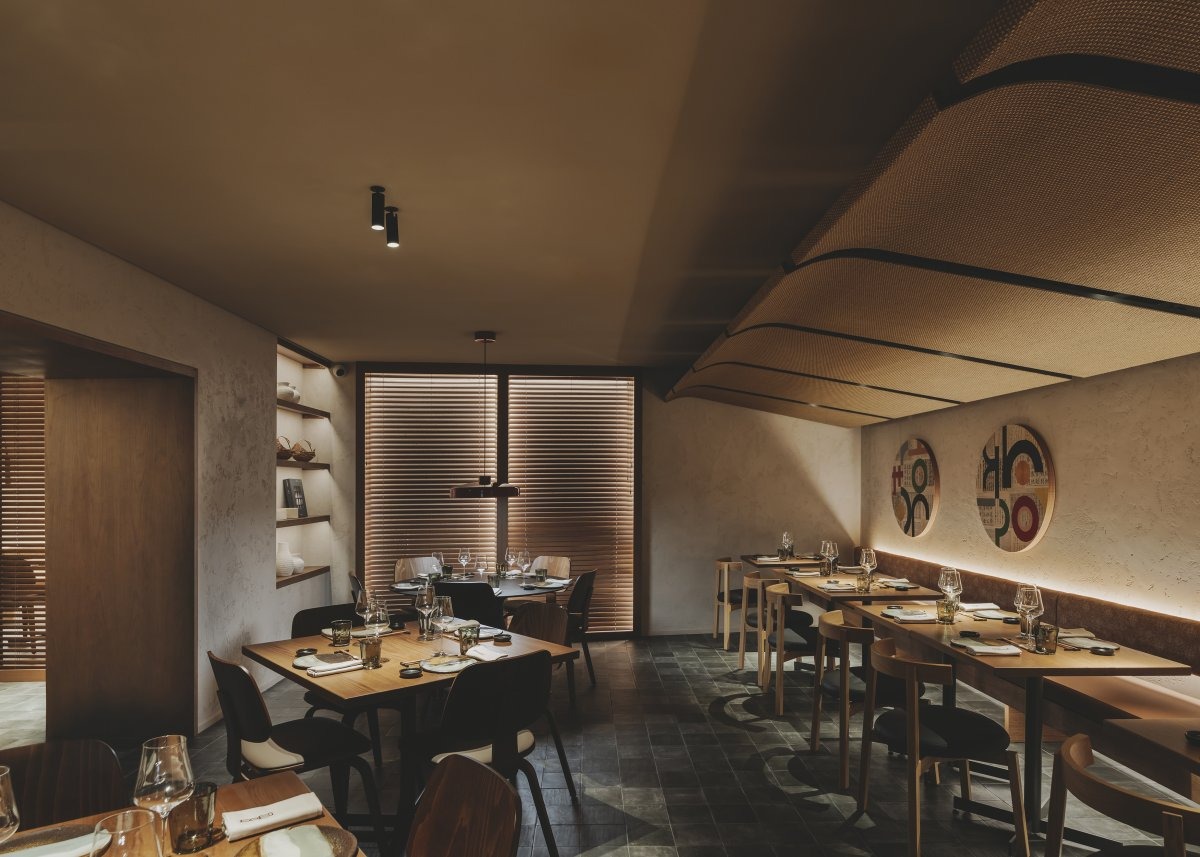
Of course, skeptics exist. “Will it look cheap?” “Will it withstand daily wear?” Modern materials like powder-coated steel, tempered glass, and marine-grade polymers put those doubts to rest. These pieces aren’t just durable; they’re built to age gracefully, acquiring a patina of use that tells a story. And in a world increasingly wary of waste, the longevity of modular furniture aligns with sustainability goals—fewer replacements, less landfill.
By the time you finish your latte, the table you’re sitting at could be part of a completely different layout. That’s the beauty of modularity: it turns static spaces into living, breathing entities. As the line between cafés, coworking hubs, and restaurants continues to blur, one thing’s clear—the future of dining isn’t just about what’s on the plate. It’s about what’s under it, too.
Walk into any thriving modern eatery, and you’ll notice a pattern: no two days look the same. A breakfast nook becomes a lunchtime meeting spot, then a dinner destination. This metamorphosis isn’t just about menu changes—it’s about furniture that plays along. Modular tables and stackable chairs aren’t mere tools; they’re collaborators in the theater of hospitality.
Take the example of “The Grid,” a Berlin-based café-restaurant hybrid. By day, its hexagonal tables cluster into honeycomb formations for freelancers and coffee lovers. By night, staff dismantle sections to create a runway-like dining area for chef’s tasting menus. The chairs? Stacked into sculptural installations that double as art. It’s a masterclass in spatial storytelling—and it’s only possible with modular design.
But adaptability isn’t just for avant-garde spaces. Consider the family-owned pizza joint in Austin. Their stackable chairs, embossed with retro patterns, pile high during lunch rushes to make room for a self-serve salad bar. Later, they’re rearranged around fire pits for evening gatherings. The result? A 30% uptick in evening foot traffic and a loyal customer base that raves about the “vibe.”
For chefs and managers, the benefits are operational gold. Inventory management simplifies when chairs and tables nest compactly in storage. Cleaning crews spend less time navigating around fixed furniture. And during holiday seasons or special events, reconfiguring the space takes minutes, not hours. One Parisian brasserie even uses its modular setup to host monthly art auctions—tables become display stands, chairs transform into auction seating.
Yet the impact goes beyond logistics. There’s an emotional resonance to spaces that feel alive. Customers subconsciously register the effortlessness of a space that molds to their needs. A first date might appreciate the intimacy of a small, isolated table, while a book club might thrive at a sprawling communal setup. Modular furniture lets businesses cater to both without compromising either.
Sustainability advocates also cheer. Fast furniture—cheap, disposable pieces that end up in landfills—is a $7 billion global problem. Modular designs combat this by prioritizing durability and repairability. Brands like Fermob and Hay offer chair models where seats, legs, and backs can be replaced individually. It’s a “circular economy” approach that’s as eco-friendly as it is cost-effective.
But let’s not romanticize it. There are trade-offs. Custom modular systems can carry higher upfront costs, and not all designs suit every aesthetic. A Michelin-starred restaurant might balk at using stackable chairs, fearing they’ll detract from luxury. Yet innovators are bridging this gap. Italian designer Piero Lissoni recently unveiled a collection of stackable leather chairs that wouldn’t look out of place in a five-star hotel. The message? Flexibility doesn’t mean sacrificing sophistication.
As we reimagine the future of dining, one question lingers: How will technology integrate with these physical designs? Imagine tables with embedded charging ports that shift as the table expands, or chairs with sensors that alert staff when they’re due for maintenance. The marriage of smart tech and modular furniture could unlock possibilities we’re only beginning to glimpse.
In the end, the rise of modular tables and stackable chairs isn’t just a trend—it’s a reflection of how we live now. We want spaces as dynamic as our lives, as adaptable as our schedules. Whether it’s a corner café serving cortados or a downtown hotspot plating molecular gastronomy, these designs whisper the same promise: This space is yours. Mold it.
The next time you slide into a café booth or linger at a restaurant bar, take a second to notice the furniture. It might just be the most interesting thing on the menu.
 皖公网安备34118102000935号 苏公网安备32011602010632号 苏ICP备16012911号 皖ICP备2021001053号 All Rights Rerseved

400-888-5670
