
The hum of a coffee grinder, the clink of ceramic mugs, and the faint jazz melody drifting from a speaker—these are the sounds of a modern café. But beneath the aesthetic charm of exposed brick walls and hanging plants lies an unsung hero: the modular table. It’s the chameleon of furniture, effortlessly adapting to solo laptop warriors, intimate duos, or impromptu group meetings. Meanwhile, stackable chairs lurk in corners like folded origami, ready to expand or contract as crowds ebb and flow. This isn’t just furniture; it’s a silent revolution in how we occupy shared spaces.
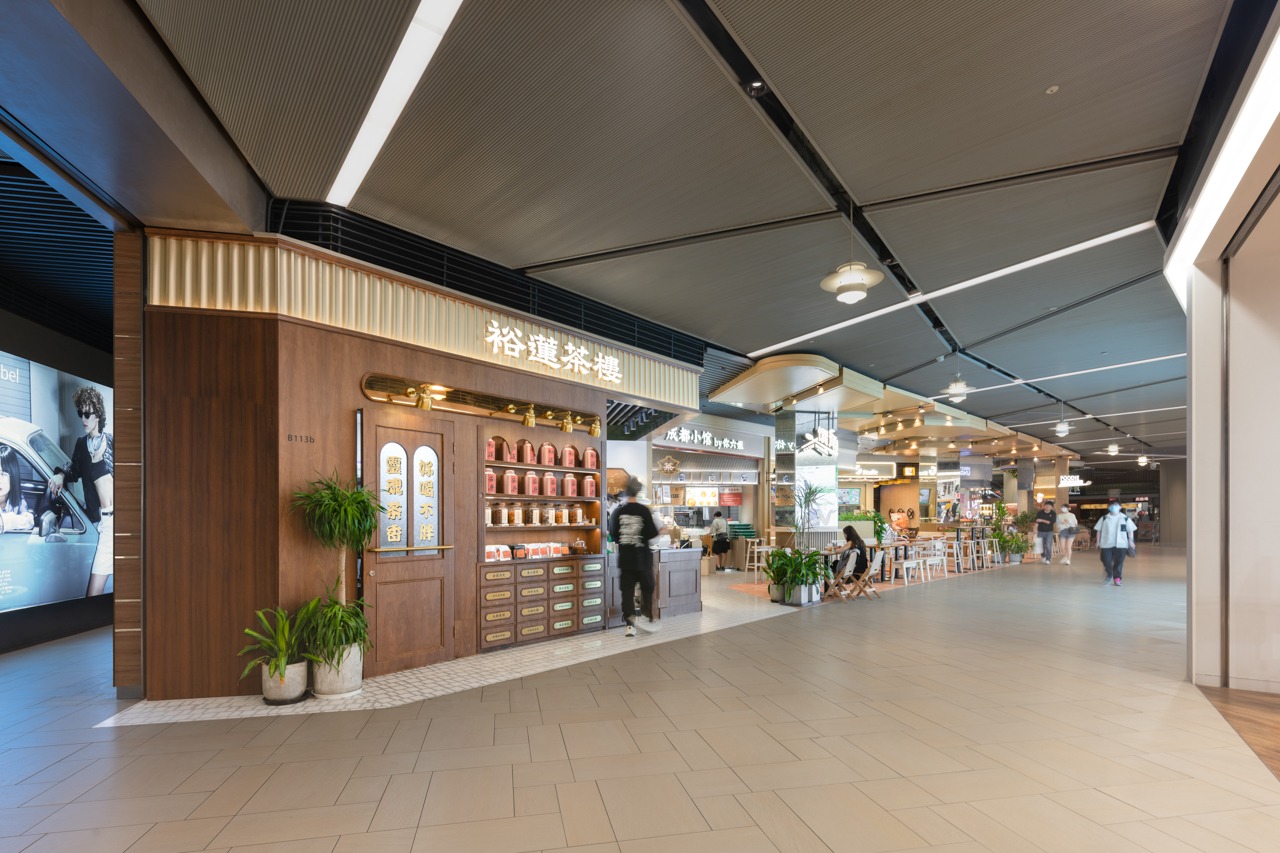
The rise of modularity isn’t accidental. Urbanization has squeezed real estate, and consumer expectations have shifted. People no longer want static environments—they crave spaces that mirror their dynamic lives. A café table that seats two at breakfast might need to host a book club of six by noon. Stackable chairs aren’t just practical; they’re a statement of intentional impermanence. They whisper, “Stay as long as you like, but don’t get too comfortable—we’ve got others to serve.”
Designers have leaned into this trend with materials that marry durability and style. Powder-coated steel frames hide beneath sleek tabletops that mimic reclaimed wood or polished concrete. Chairs stack like LEGO bricks, yet feel sturdy enough for hours of lingering. The magic lies in subtle details: rounded edges to avoid hip bruises, textured seats to prevent sliding, and lightweight builds that let staff rearrange layouts in minutes. In a Brooklyn café, a barista recounts how switching to modular setups cut setup time for events by 40%. “It’s like playing Tetris,” she laughs. “But with espresso machines.”
But modular furniture isn’t just about utility—it’s a social experiment. By enabling fluid seating arrangements, it encourages strangers to share tables, sparking conversations that rigid booths might stifle. In Tokyo, a hybrid workspace-café uses hexagonal tables that snap together, creating constellations of freelancers and creatives. One user describes it as “speed-dating for ideas.” Meanwhile, stackable chairs in Lisbon’s coworking cafés are color-coded to signal availability: green for “open to chat,” red for “deep in focus mode.” It’s a nonverbal language of community.
Yet challenges linger. Aesthetic cohesion can suffer when tables and chairs are constantly rearranged. Some café owners admit to “furniture separation anxiety” when pieces are moved too far from their original placements. Others note that lightweight materials can feel flimsy under heavy use. But innovators are responding. A Danish startup now offers modular tables with magnetic edges, ensuring seamless alignment, while a German manufacturer embeds RFID chips in chairs to track (and gently nudge) their return to designated zones.
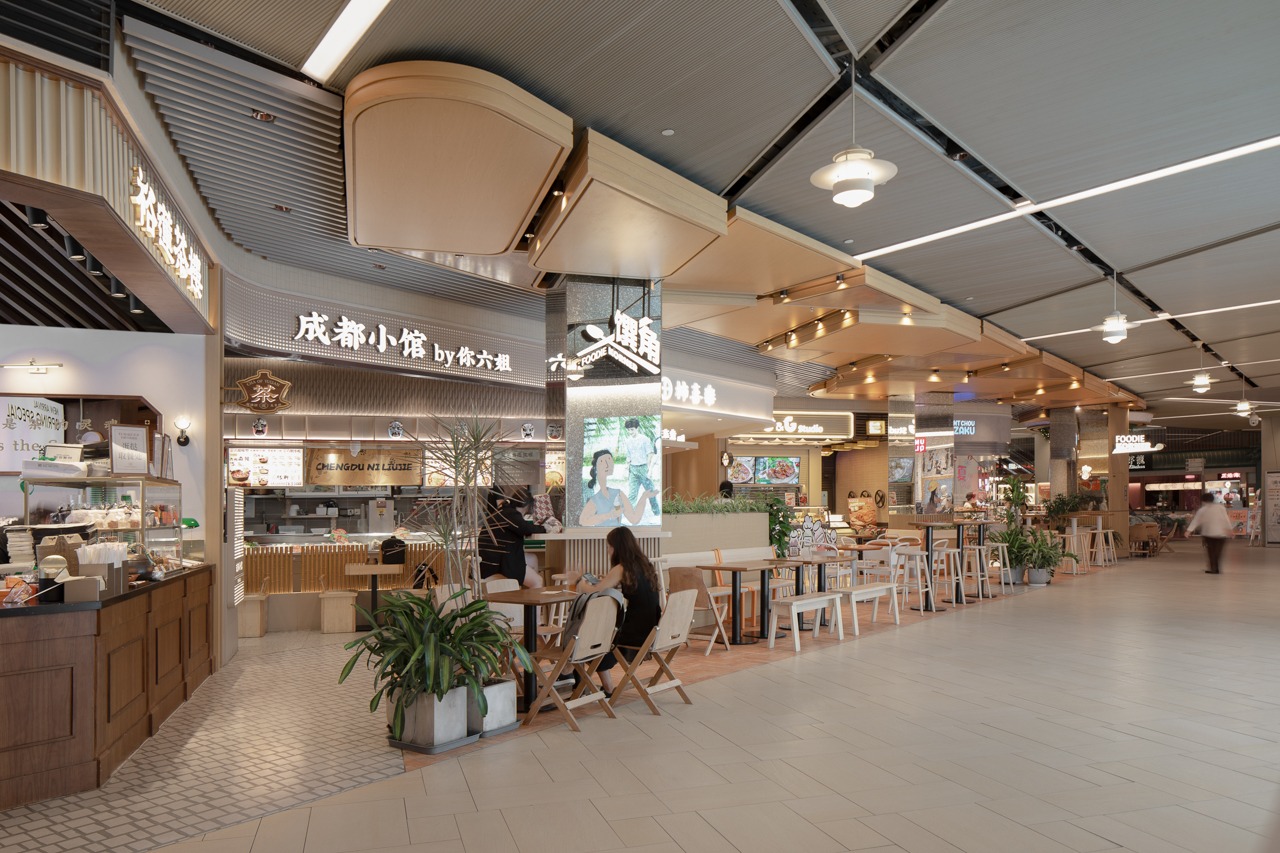
The café, once a bastion of fixed traditions, has become a lab for adaptive design. As we sip lattes and scroll through emails, the furniture beneath us is quietly rewriting the rules of engagement.
Step into a corporate canteen or university dining hall, and the vibe shifts. Here, efficiency reigns. Hundreds of bodies cycle through daily, demanding speed, cleanliness, and order. This is where modular tables and stackable chairs evolve from trendy accessories to logistical lifelines. The same principles that make them café darlings—flexibility, space-saving, durability—become nonnegotiable in high-traffic environments.
Consider a university cafeteria during lunch rush. At 11:30 AM, it’s a sea of students grabbing meals between classes. By 1:30 PM, the space must transform for a seminar. Modular tables with collapsible legs are wheeled into clusters, while stackable chairs form amphitheater-style rows. The process is so streamlined it feels choreographed. “It’s like we’re resetting the room between acts,” says a facilities manager at a Boston college. “Except the ‘actors’ are hungry undergrads and the ‘stage’ is a meatloaf buffet.”
Durability is paramount. Canteen furniture faces spills, scratches, and the occasional chair launched in celebration (or frustration). Manufacturers have responded with bulletproof materials: antimicrobial upholstery that repels ketchup stains, tabletops resistant to hot pans and Sharpie graffiti. A tech campus in California even uses chairs with stress-tested frames after engineers “tested” them by stacking 20 high “just to see.”
But functionality doesn’t have to mean sterile. Forward-thinking designers are injecting personality into institutional settings. A corporate canteen in Amsterdam features stackable chairs in gradients of orange, evoking a sunset. A Montreal hospital’s cafeteria uses modular tables with embedded planters, bringing greenery to sterile spaces. “People eat faster when they’re stressed,” notes a design lead. “We wanted to slow them down with something alive.”
The pandemic amplified the need for adaptability. Social distancing requirements turned canteens into puzzle masters overnight. Tables were spaced apart, then clustered again as guidelines shifted. Stackable chairs stored in closets became inventory lifelines. One school district in Texas credits modular setups for allowing them to repurpose gyms as makeshift dining halls. “Without those chairs,” a administrator says, “we’d have had kids eating on bleachers.”
Looking ahead, sustainability is driving innovation. Modular furniture’s longevity reduces waste, and companies are doubling down. A Swiss firm now makes chairs from recycled fishing nets, while a Canadian company offers a “lease and return” program for tables, refurbishing them for new clients. Even the humble stackable chair is getting a carbon-neutral makeover, with bamboo frames and algae-based foam cushions.
From café to canteen, the message is clear: flexibility is the new frontier. These spaces aren’t just where we eat or work—they’re where we connect, adapt, and reimagine what shared environments can be. And beneath it all, modular tables and stackable chairs are the unsung enablers, turning rigid rooms into fluid landscapes of possibility.
 皖公网安备34118102000935号 苏公网安备32011602010632号 苏ICP备16012911号 皖ICP备2021001053号 All Rights Rerseved

400-888-5670
